Ink Studies
Ink Studies
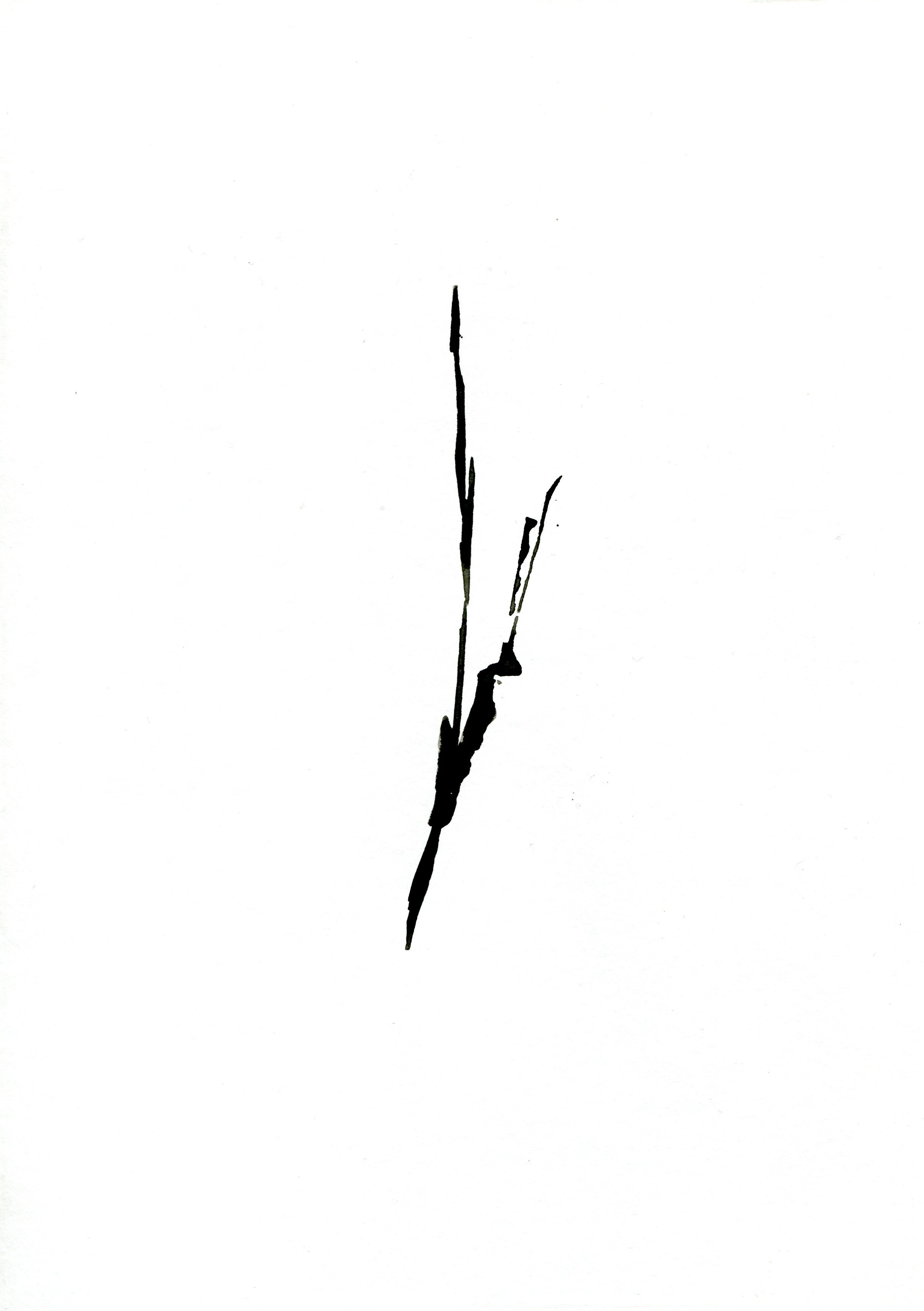
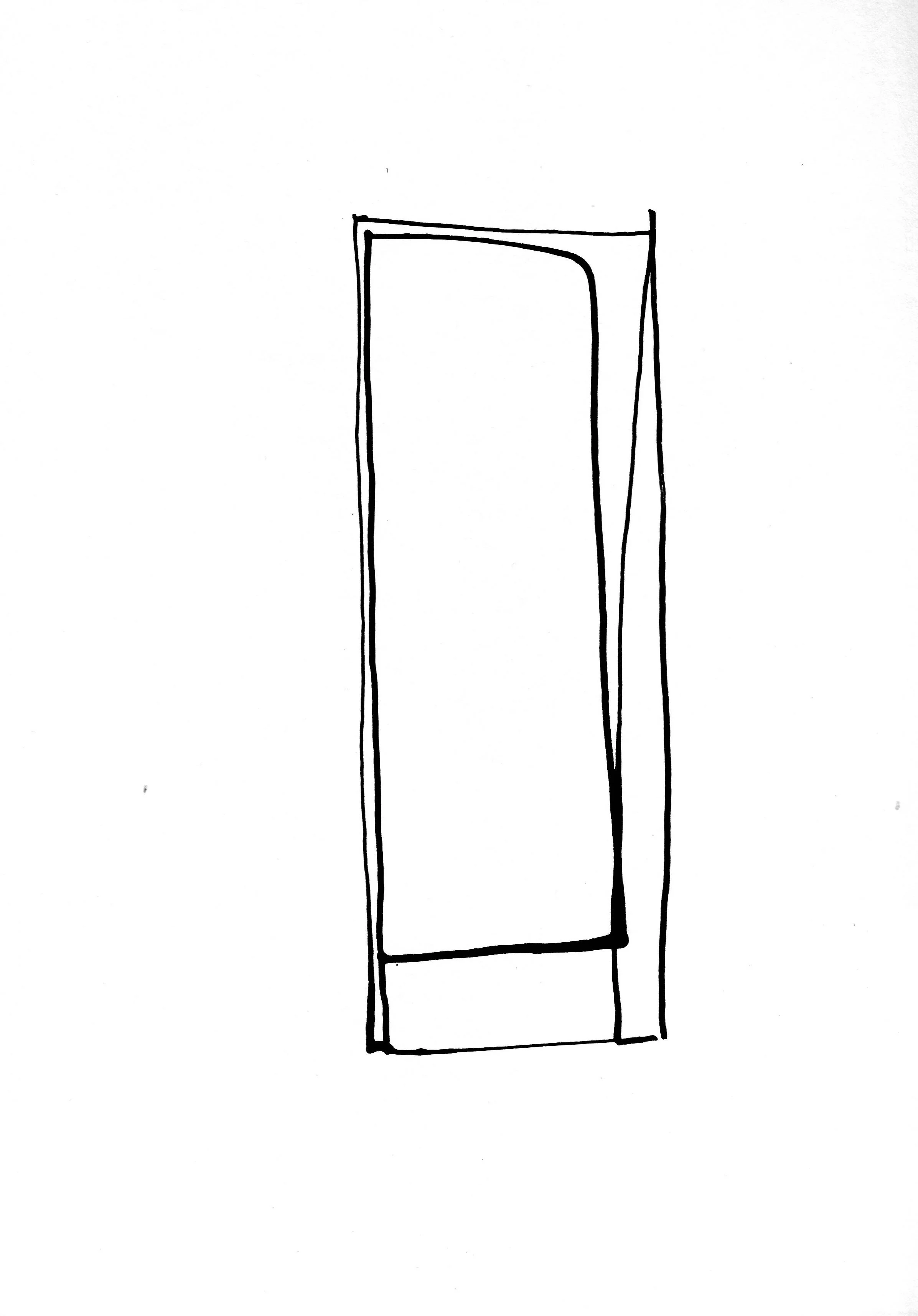
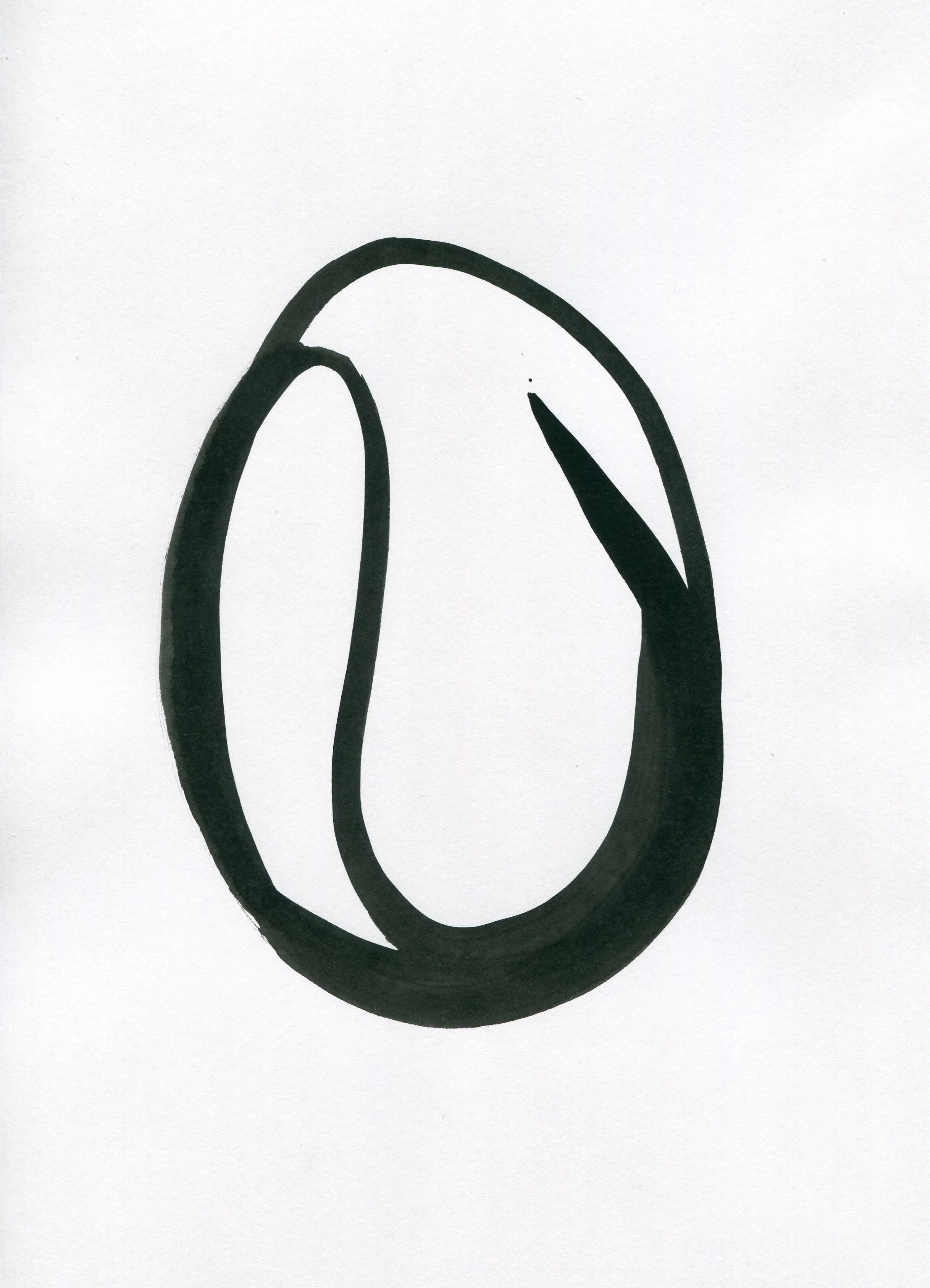
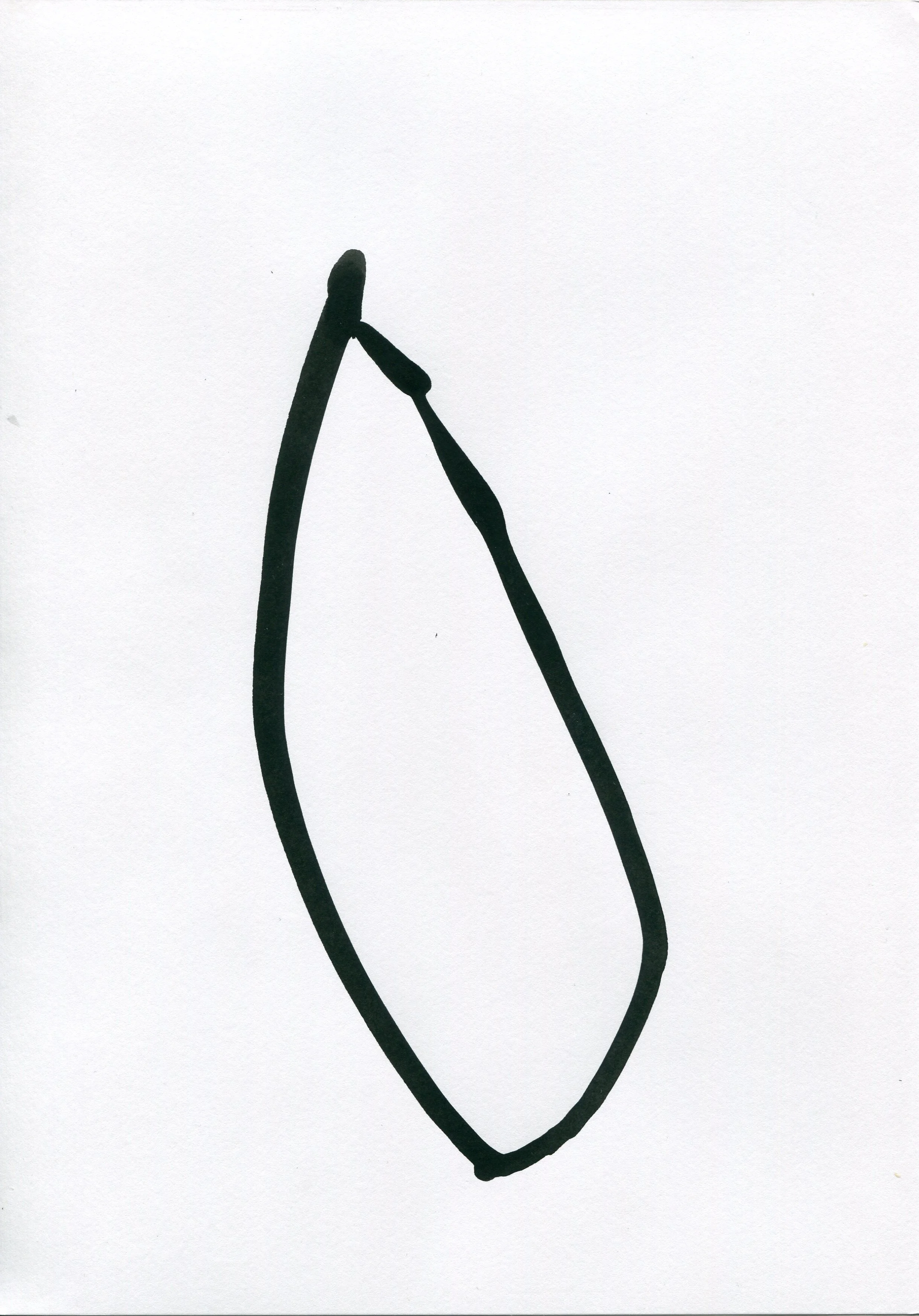
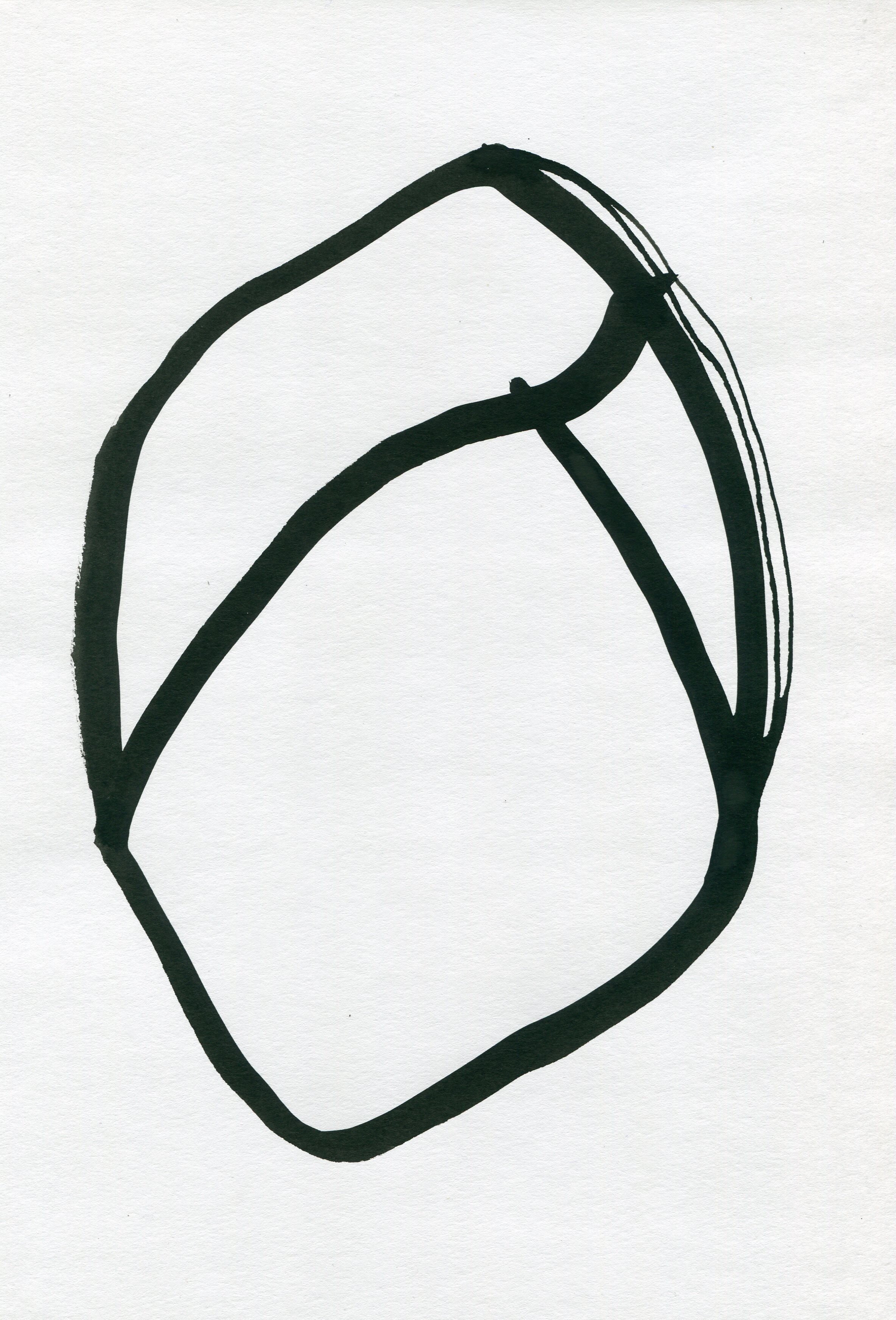
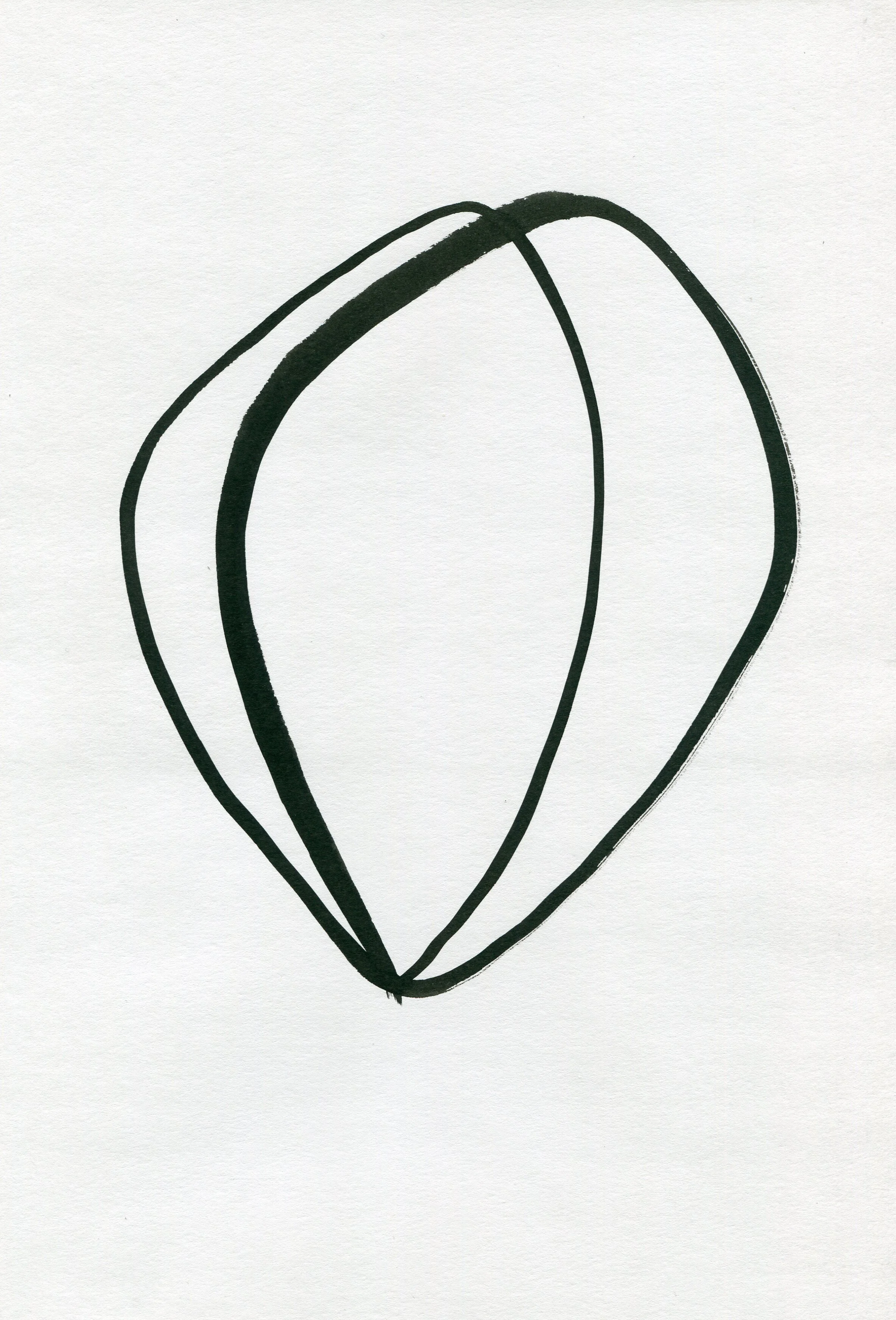
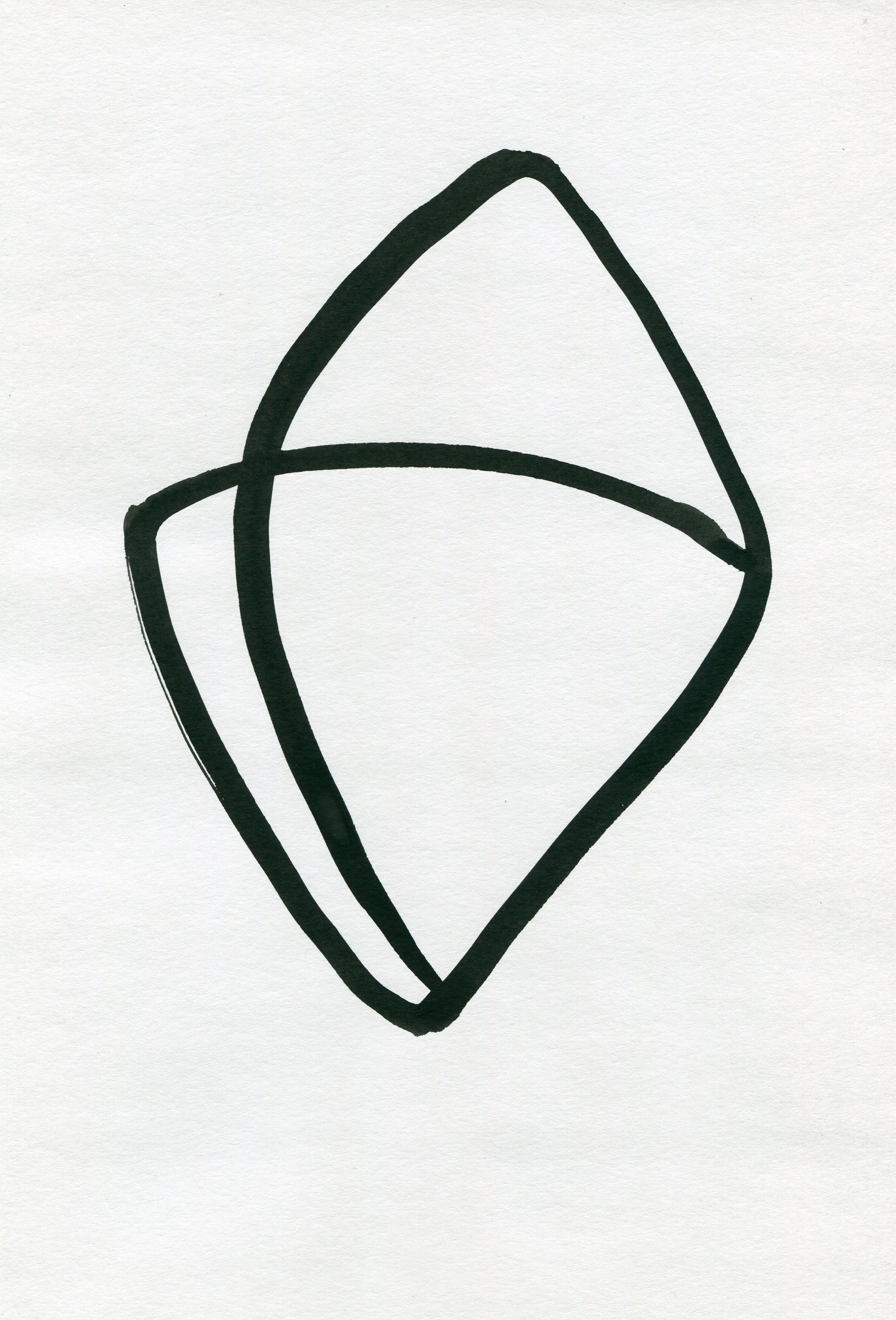
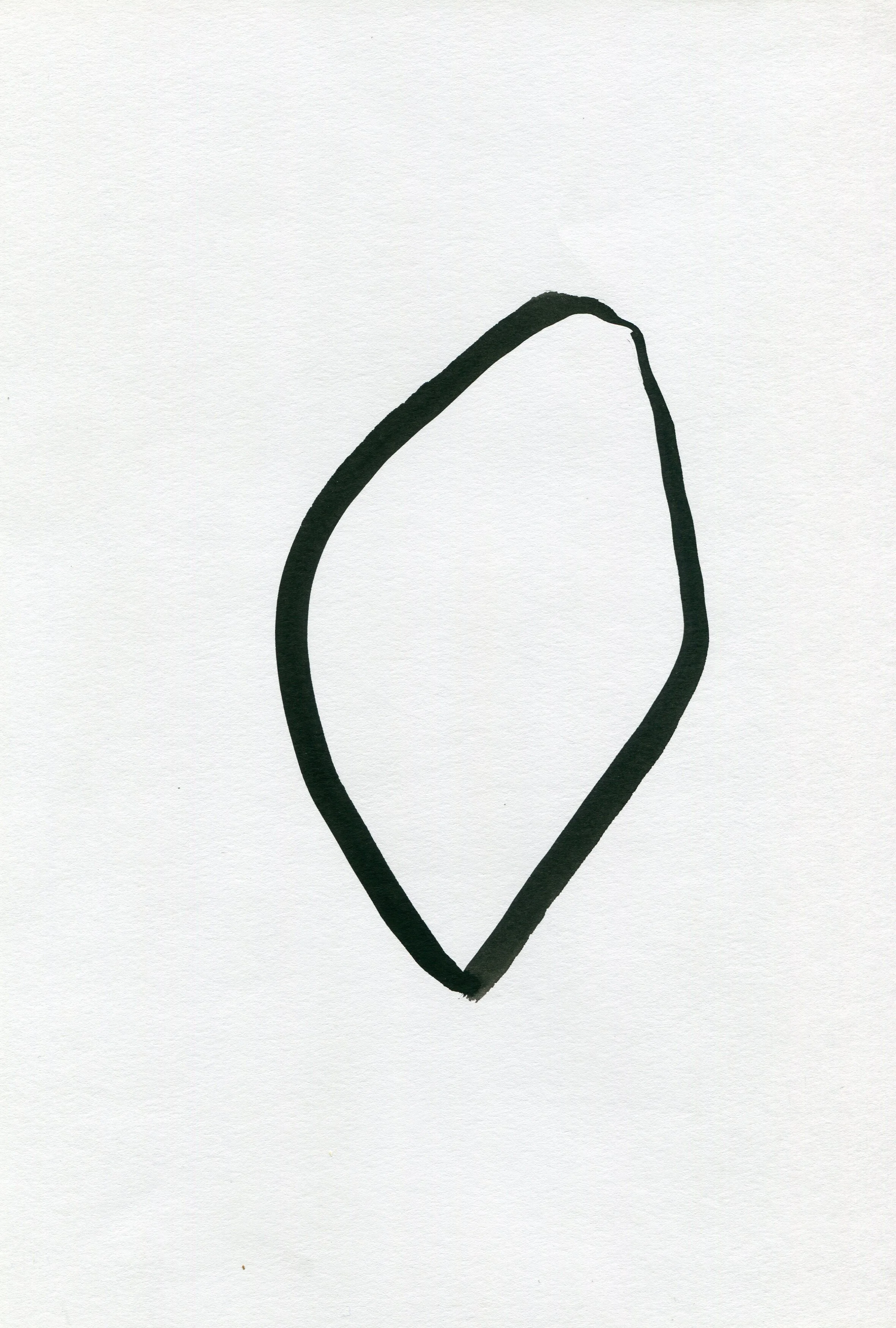
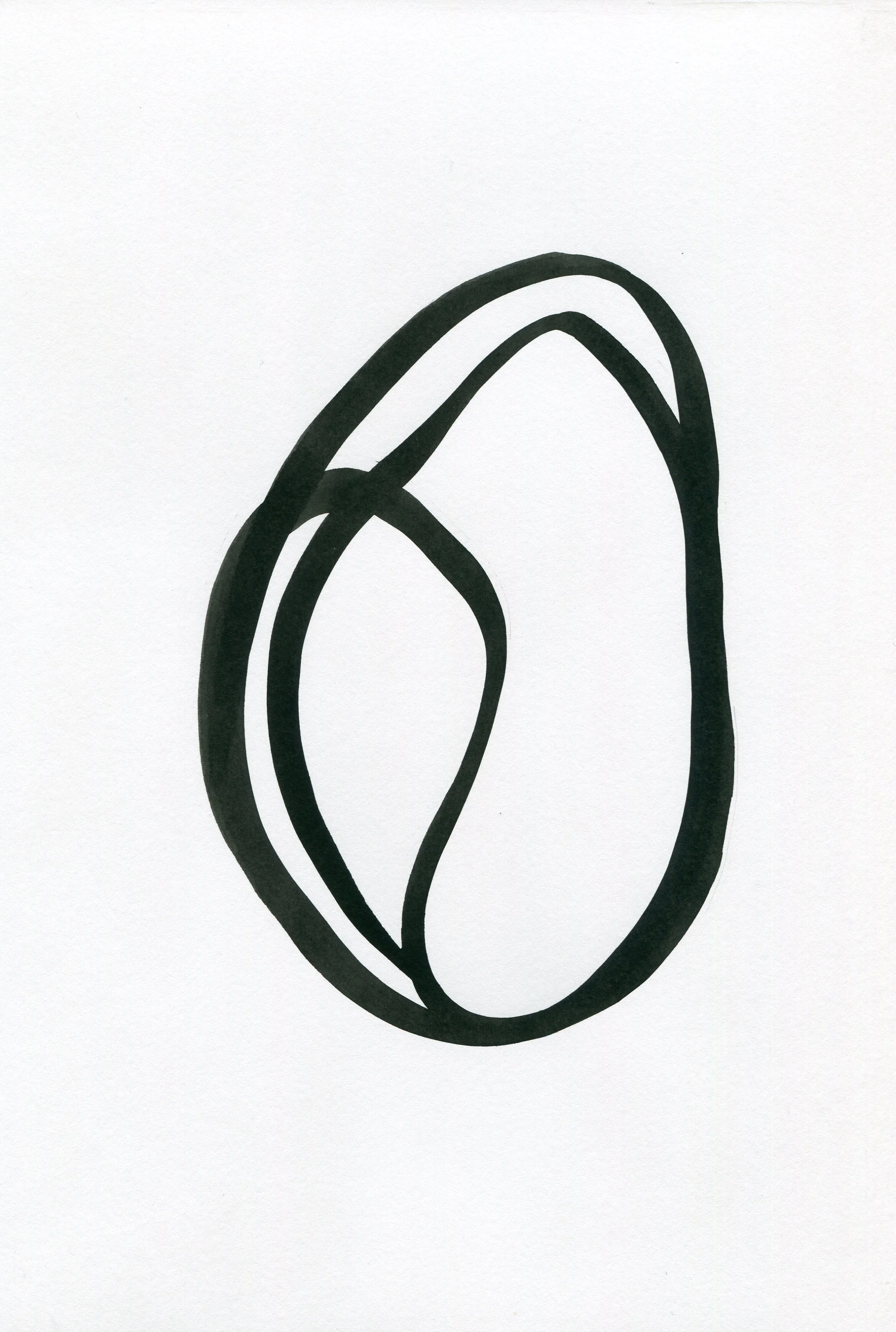
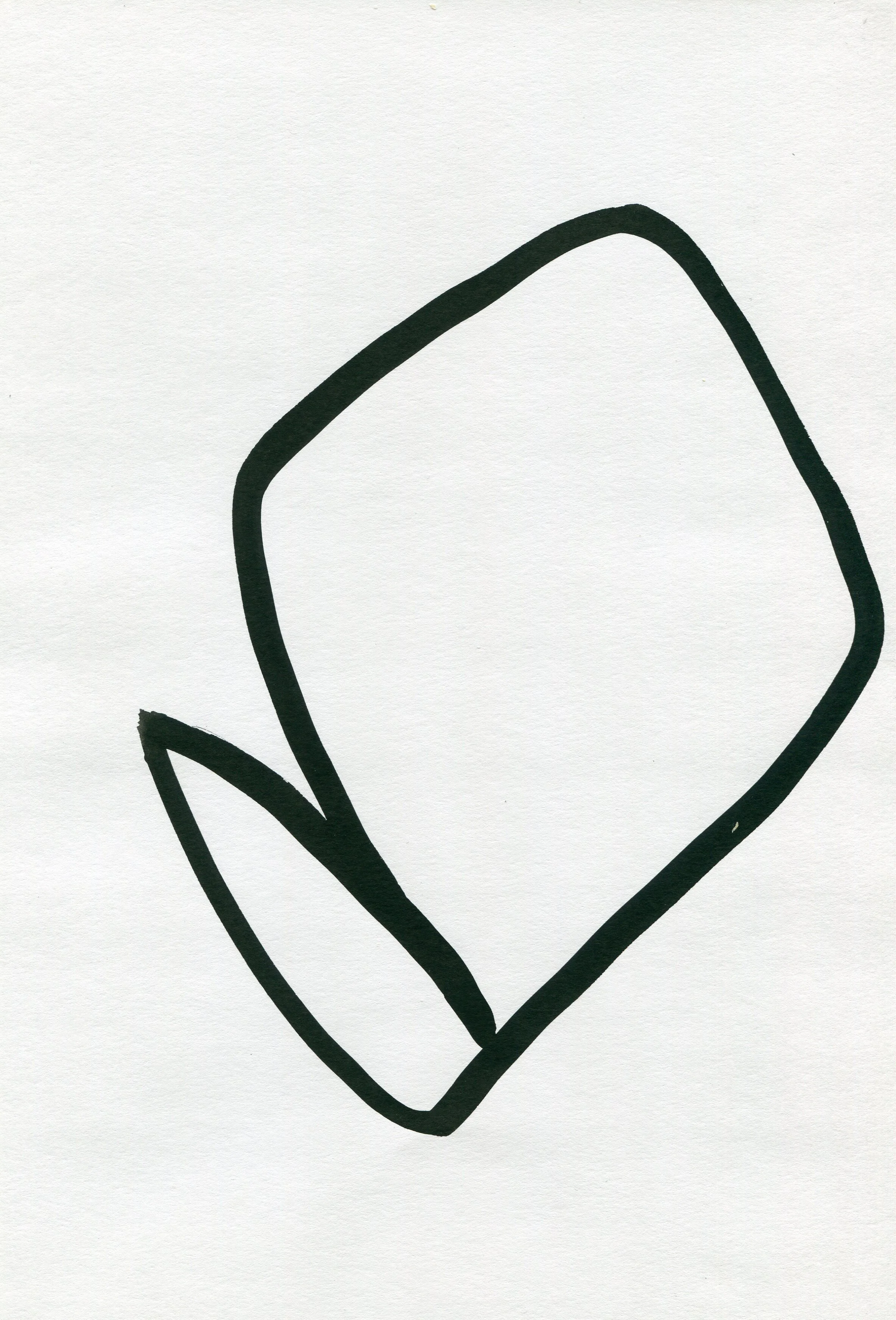
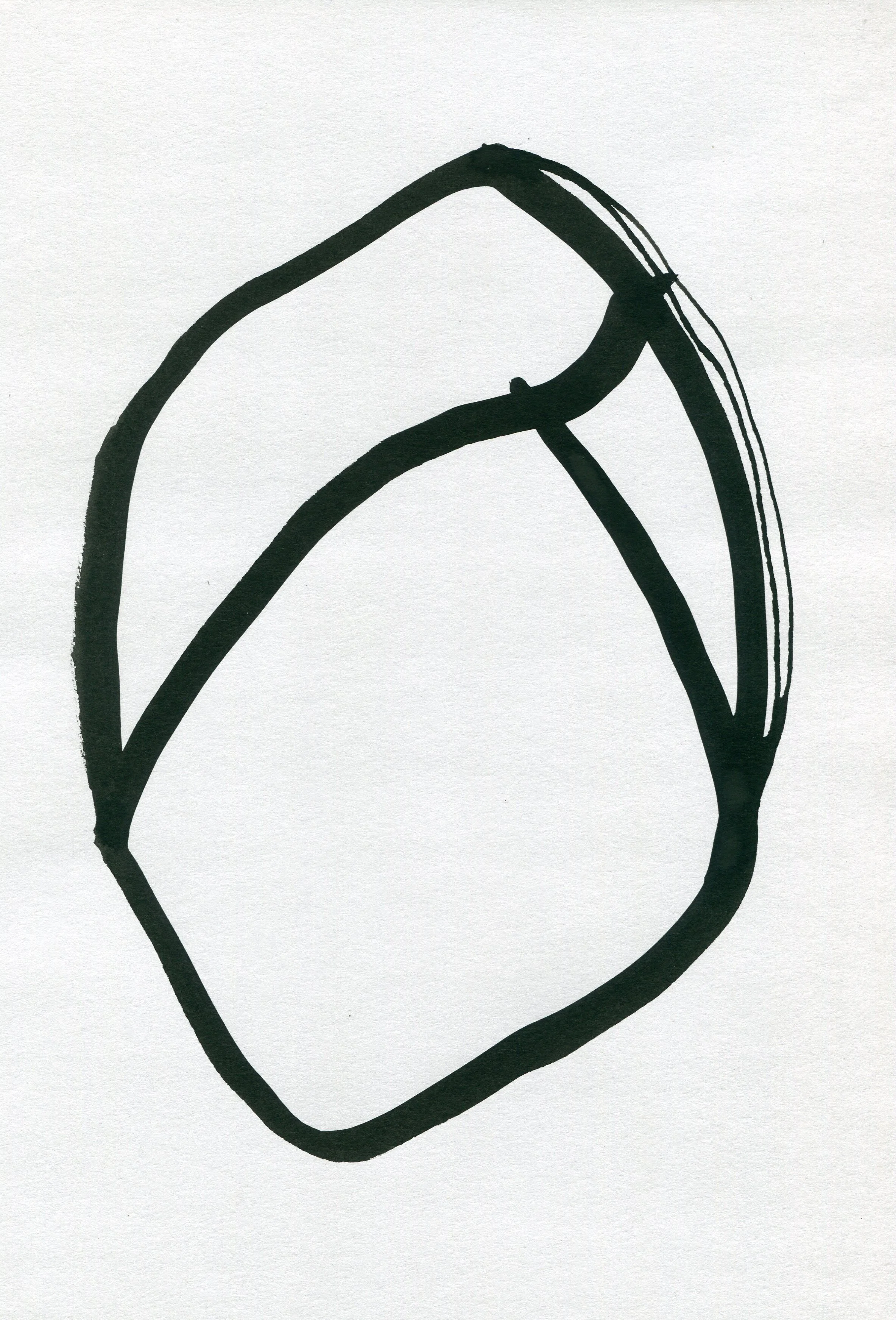
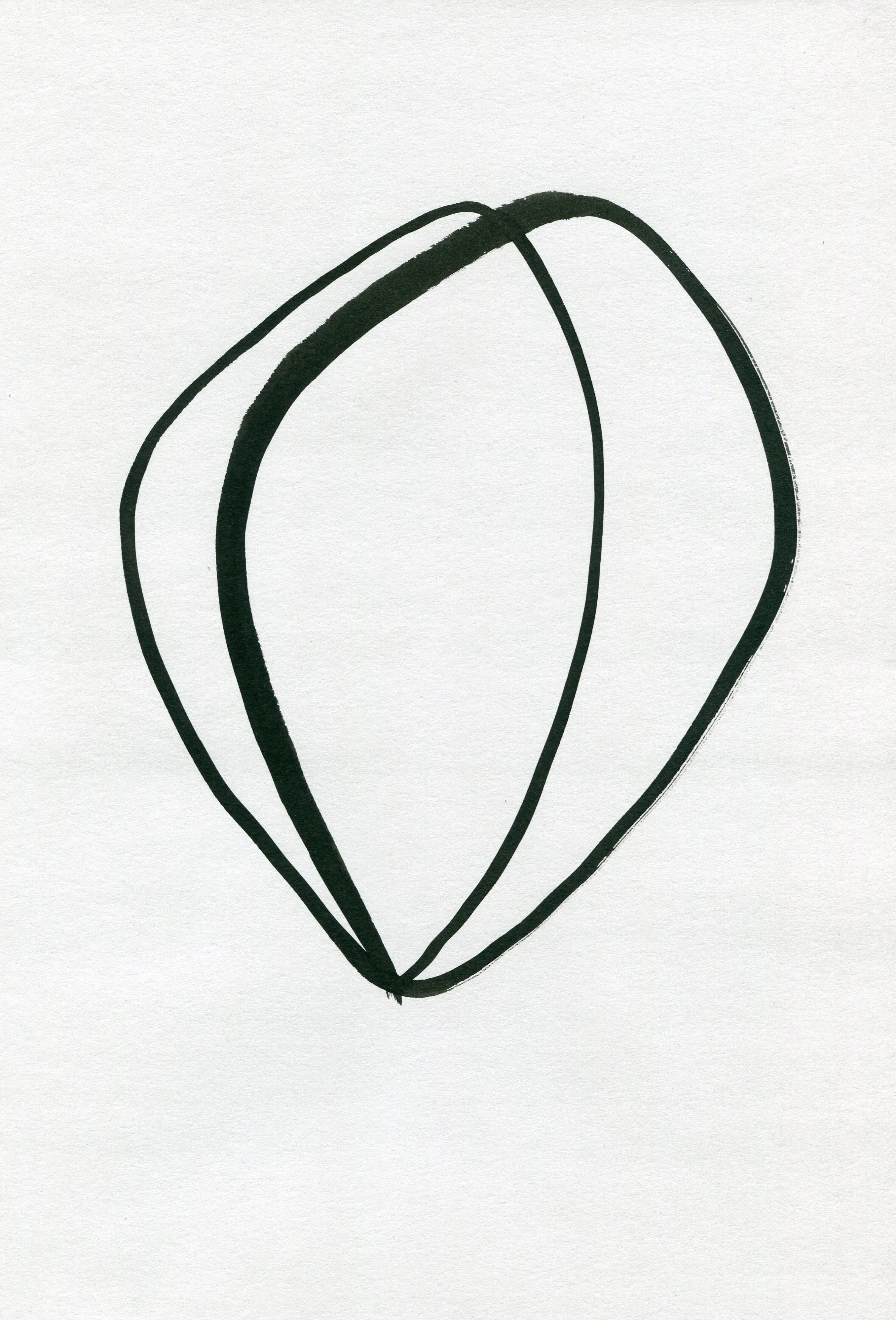
A series of abstract works made using black ink, often composed through a single continuous line. The drawings were created predominantly from bed, or during brief, fluctuating bursts of energy, and reflect a practice shaped by restriction, pacing, and attentiveness to bodily capacity.
The works explore movement through line - lines that reference landscape, growth, and movement rather than fixed representation. Forms emerge that echo hills, stones, paths, flowers, and shorelines translated through gesture and memory. The repetition of singular lines allows each drawing to function as both a contained moment and part of a wider rhythm across the series.
“I missed being outside, I missed the feeling of looking and creating. I think you can get a sense of this through my form - some more literally through imaging flowers and others more abstractly through the lines inspired by hills, stones, shores, the carving of paths.
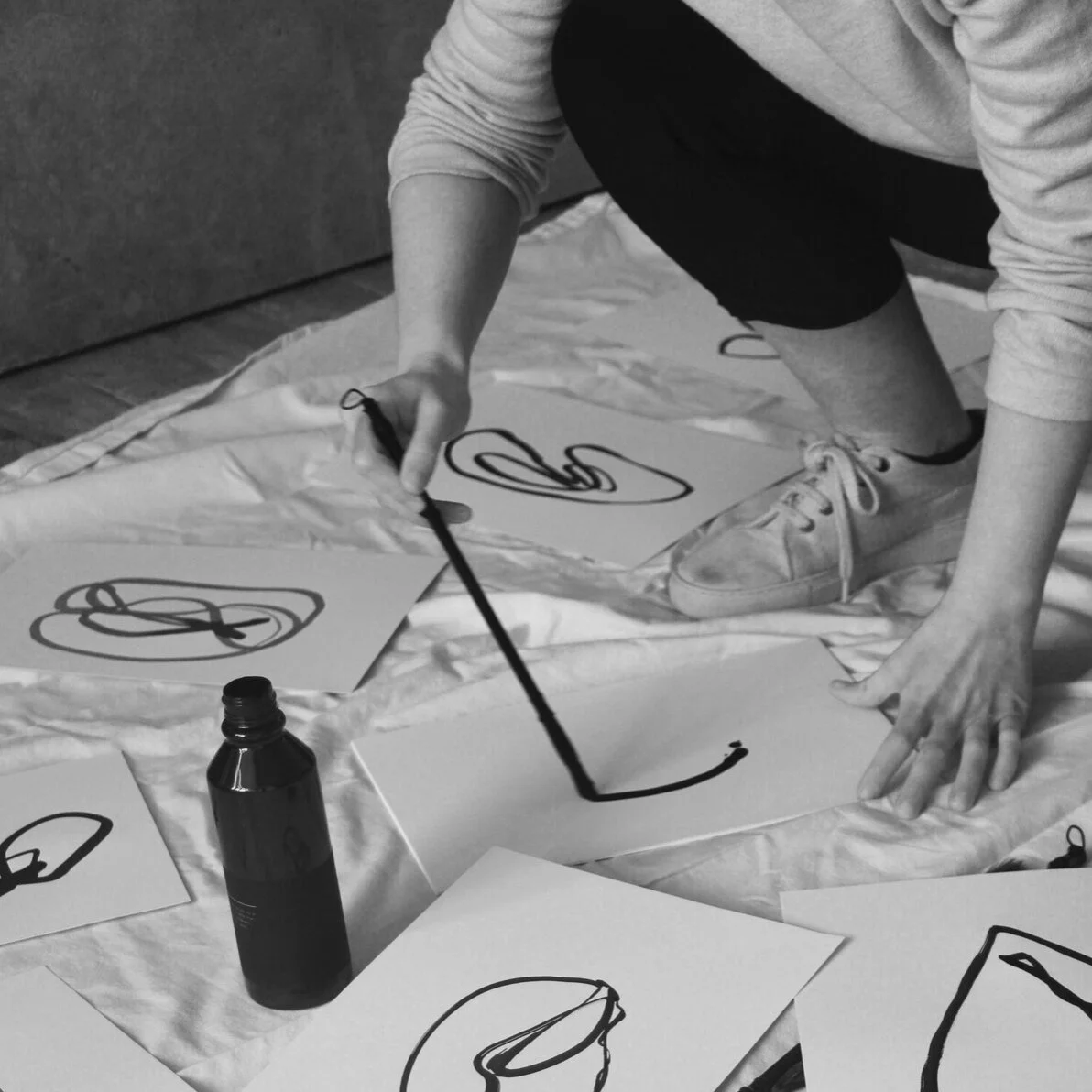
I created these pieces in very quick bursts of energy, ten, twenty, thirty covered the floor. They would dry in the sun as I went back to being in a bed. The inks were light, flowing, easy to use with little energy. I imagined them as larger pieces, to be sat within fields, hills, shores.
Mostly made from bed, slowly I began to create movement through line”
Material choice is central to the work. Ink was selected for its lightness, immediacy, and responsiveness - a medium that required little physical exertion while allowing for fluid, expressive movement. This circular process of making, pausing, and recovery is embedded within the visual language of the series.
Ink Studies reflects a gradual reclaiming of movement through mark-making. Working primarily from bed, McLachlan began to generate a sense of expansion and motion through line, imagining the drawings at larger scales - placed within fields, hills, or coastal landscapes - as a way of extending the body beyond its immediate physical limits.
This series sits within McLachlan’s broader Made From Bed practice, where abstraction, care, and embodied knowledge shape both form and process. The works insist on stillness and restraint as active, generative conditions, and position line as a means of connection between body, environment, and memory.

Louise painting continuous ink circles with a long Japanese calligraphy brush. She is standing on a large white sheet surrounded by paintings.
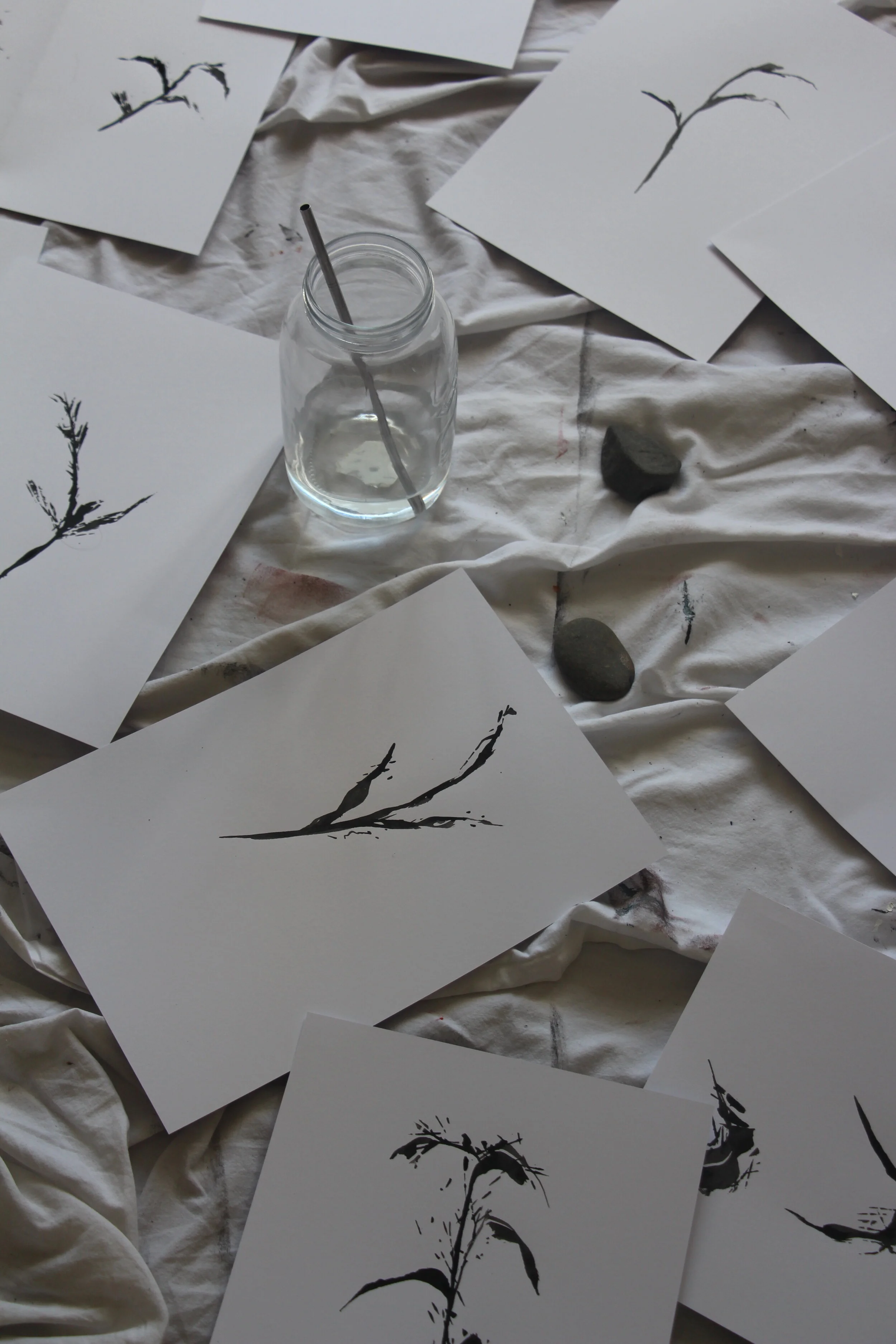
Ink flower paintings on top of a white sheet a jar of water and stones to weigh down the paintings.